Ayurvedic products and herbs
8 Lemon Balm Benefits, Uses & Traditional Properties
Aug
Tired of feeling foggy and run-down? Check out these health benefits of lemon balm – it might just be the remedy you’re looking for!
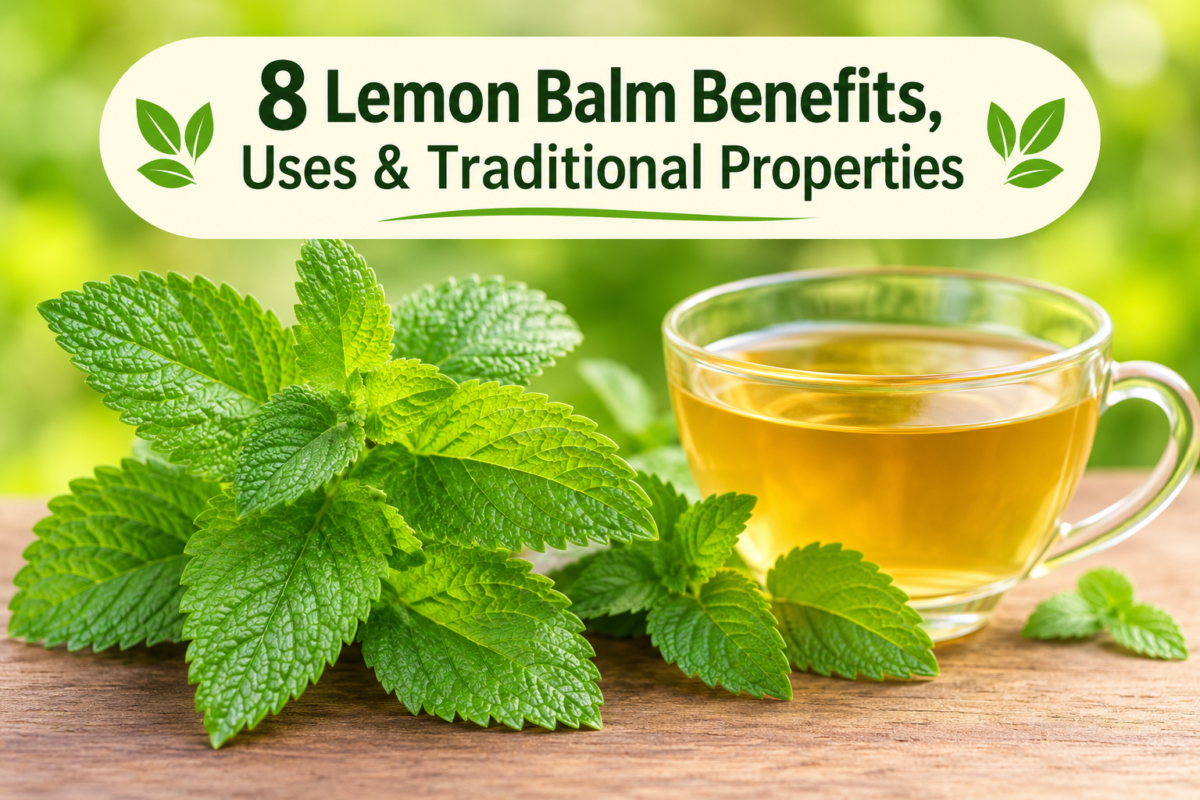
Lemon balm (Melissa officinalis) is an aromatic herb belonging to the mint family, widely recognised for its refreshing lemon-like fragrance and traditional uses in herbal wellness. Its leaves have been valued in traditional herbal practices for relaxation, sleep-time routines, and mild digestive discomfort.
Also known as sweet balm and honey plant, lemon balm contains naturally occurring plant compounds, including rosmarinic acid and flavonoids. From herbal tea preparations to aromatic blends, this versatile herb has attracted interest among herbal enthusiasts and researchers alike.
What makes lemon balm special, and how is it traditionally used? Let’s explore eight interesting lemon balm benefits, its botanical properties, and different ways to enjoy this aromatic herb.
8 Lemon Balm Benefits You Should Know
1. Traditionally Valued for Relaxation
One of the best-known traditional uses of lemon balm is its association with relaxation and calmness.
For generations, its aromatic leaves have been included in traditional herbal preparations enjoyed during quiet moments and relaxing routines. Its refreshing citrus-like fragrance also makes it a popular ingredient in herbal tea blends.
A warm cup of lemon balm tea can be a pleasant addition to an evening routine for people who enjoy caffeine-free herbal beverages.
2. Traditionally Used in Sleep-Time Routines
Lemon balm has a long history of use in traditional herbal preparations associated with bedtime routines.
Its mild fragrance and pleasant herbal flavour make it a popular choice for evening infusions. Dried lemon balm leaves are commonly steeped in hot water to create a comforting beverage.
The European Medicines Agency recognises certain lemon balm leaf preparations for traditional use in supporting sleep. However, traditional recognition does not mean that strong clinical evidence has established its effectiveness for treating sleep disorders.
3. Traditionally Appreciated for Digestive Comfort
Another interesting lemon balm benefit is its traditional association with digestive comfort.
Lemon balm has historically been included in herbal preparations for mild digestive complaints, including bloating and flatulence.
Its leaves are commonly prepared as herbal infusions and can also be combined with other aromatic herbs in traditional botanical blends.
The European Medicines Agency recognises its traditional use for mild digestive complaints. These traditional applications should not be considered a substitute for medical evaluation of persistent digestive symptoms.
4. Contains Naturally Occurring Antioxidant Compounds
Lemon balm leaves contain several naturally occurring plant compounds, including rosmarinic acid, caffeic acid derivatives, and flavonoids.
These compounds contribute to the herb’s phytochemical profile and make it an interesting subject of botanical research.
Rosmarinic acid is a naturally occurring polyphenol also found in other aromatic herbs, including rosemary and peppermint. Researchers have studied such compounds for their antioxidant properties in laboratory settings.
The presence of these compounds makes lemon balm particularly interesting from a botanical and phytochemical perspective.
5. Appreciated for Its Refreshing Aromatic Properties
Lemon balm is especially popular for its fresh, citrus-like fragrance. Its pleasant aroma comes from naturally occurring volatile compounds present in its leaves.
Some of its aromatic constituents include citral, citronellal, and geraniol.
These compounds contribute to its distinctive fragrance and make lemon balm useful in aromatic herbal blends, botanical preparations, and selected personal-care formulations.
Fresh leaves can also be gently crushed to release their characteristic lemon-like scent.
6. Traditionally Used in Topical Herbal Preparations
Lemon balm has a history of use in topical herbal preparations, particularly creams and ointments made with its leaf extracts.
Certain topical lemon balm preparations have been investigated in clinical research involving cold sores. However, findings from specific formulations cannot automatically be applied to ordinary lemon balm leaves, teas, or essential oils.
Its topical applications are therefore best understood in the context of traditional herbal preparations and product-specific research rather than as a general home treatment.
7. Used in Traditional Herbal Wellness Practices
Lemon balm has maintained an important place in traditional herbal practices across different regions.
Its leaves have been included in botanical preparations associated with relaxation, mild digestive discomfort, and general herbal wellness.
The herb is also valued for its versatility. It can be combined with other aromatic plants to create herbal infusions and traditional tea blends.
Its long history of use and pleasant fragrance continue to make it a popular choice among people interested in traditional botanicals.
8. A Versatile Herb for Everyday Preparations
Beyond traditional wellness applications, lemon balm is appreciated for its culinary and aromatic uses.
Its mild citrus-like flavour makes it suitable for several everyday preparations.
Some popular ways to use lemon balm include:
- Herbal tea: Fresh or dried leaves can be steeped in hot water.
- Herbal infusions: Combine lemon balm with other aromatic herbs.
- Culinary preparations: Add fresh leaves to selected recipes for a light lemon-like flavour.
- Aromatic blends: Use dried leaves in fragrant botanical combinations.
- Homemade beverages: Add fresh leaves to selected cold drinks for a refreshing flavour.
These different applications make lemon balm a versatile addition to traditional herbal collections.
What Compounds Are Found in Lemon Balm?
Lemon balm contains a variety of naturally occurring phytochemicals that contribute to its botanical characteristics and aromatic profile.
Some notable compounds include:
- Rosmarinic acid: A naturally occurring polyphenol found in lemon balm and several other herbs.
- Caffeic acid derivatives: Plant compounds belonging to the phenolic acid group.
- Flavonoids: Naturally occurring plant compounds found in many fruits, vegetables, and herbs.
- Citral: An aromatic compound that contributes to lemon-like fragrance.
- Citronellal: A naturally occurring volatile compound found in several aromatic plants.
- Geraniol: An aromatic compound associated with floral and citrus-like notes.
The composition of lemon balm can vary depending on growing conditions, harvesting methods, and preparation techniques.
How to Use Lemon Balm
Lemon balm can be enjoyed in different forms depending on the intended preparation.
Fresh Leaves: Fresh leaves can be added to selected culinary preparations and homemade beverages for their refreshing aroma.
Dried Leaves: Dried lemon balm is commonly used in herbal teas and infusions.
Herbal Tea: The leaves can be steeped in hot water to prepare a mild, aromatic beverage.
Herbal Blends: Lemon balm can be combined with other aromatic herbs to create traditional botanical mixtures.
Commercial Preparations: Lemon balm is also available in selected extracts, capsules, and topical formulations. These products may differ in concentration and composition.
If you are exploring lemon balm products, choose preparations with clear ingredient and usage information.
How to Prepare Lemon Balm Tea
Lemon balm tea is one of the simplest ways to enjoy this aromatic herb. It has a mild herbal flavour with refreshing citrus-like notes.
Ingredients:
- 1–2 teaspoons dried lemon balm leaves
- 1 cup hot water
- Honey (optional)
Preparation Method:
- Add the dried lemon balm leaves to a cup or teapot.
- Pour hot water over the leaves.
- Cover and allow them to steep for approximately 5–10 minutes.
- Strain the infusion into a cup.
- Add a little honey if desired.
Your homemade lemon balm herbal tea is ready to enjoy.
Lemon Balm Precautions and Considerations
Although lemon balm is commonly used in traditional herbal preparations, a few considerations are important.
- Herbal products can vary in composition, concentration, and preparation.
- Do not assume that essential oils, concentrated extracts, and herbal teas are interchangeable.
- People who are pregnant or breastfeeding should seek professional advice before using concentrated herbal preparations.
- Anyone taking medication or managing an existing health condition should consult a qualified healthcare professional before using lemon balm supplements.
- Follow the product label and avoid using concentrated preparations beyond the recommended directions.
For persistent or concerning symptoms, seek appropriate medical advice rather than relying on herbal preparations.
FAQs:
1. What is lemon balm commonly used for?
Lemon balm is traditionally used in herbal teas and aromatic preparations. It is also associated with traditional relaxation routines, sleep-time preparations, and mild digestive discomfort.
2. What are the benefits of drinking lemon balm tea?
Lemon balm tea is a caffeine-free herbal beverage appreciated for its mild flavour and refreshing lemon-like aroma. Traditionally, it has been enjoyed as part of relaxing evening routines and herbal preparations for digestive comfort.
3. What is the botanical name of lemon balm?
The botanical name of lemon balm is Melissa officinalis. It belongs to the Lamiaceae family, commonly known as the mint family.
4. Which part of the lemon balm plant is commonly used?
The leaves are the most commonly used part of the lemon balm plant. They can be used fresh or dried in herbal teas, infusions, and aromatic preparations.
5. Is lemon balm related to mint?
Yes. Lemon balm belongs to the Lamiaceae family, the same botanical family as peppermint and spearmint. However, lemon balm is distinguished by its refreshing lemon-like fragrance.
Conclusion:
Lemon balm is more than just an aromatic garden herb. Its refreshing fragrance, naturally occurring plant compounds, and long history in traditional herbal practices make it an interesting botanical ingredient.
From herbal tea preparations and aromatic blends to its traditional association with relaxation and digestive comfort, lemon balm offers several ways to explore the world of herbs.
Whether enjoyed as a warm infusion or included in a botanical collection, this versatile plant continues to hold a special place in traditional herbal wellness.
