

Anxiety and Depression Cures, Ayurvedic Detoxification, Ayurvedic products and herbs
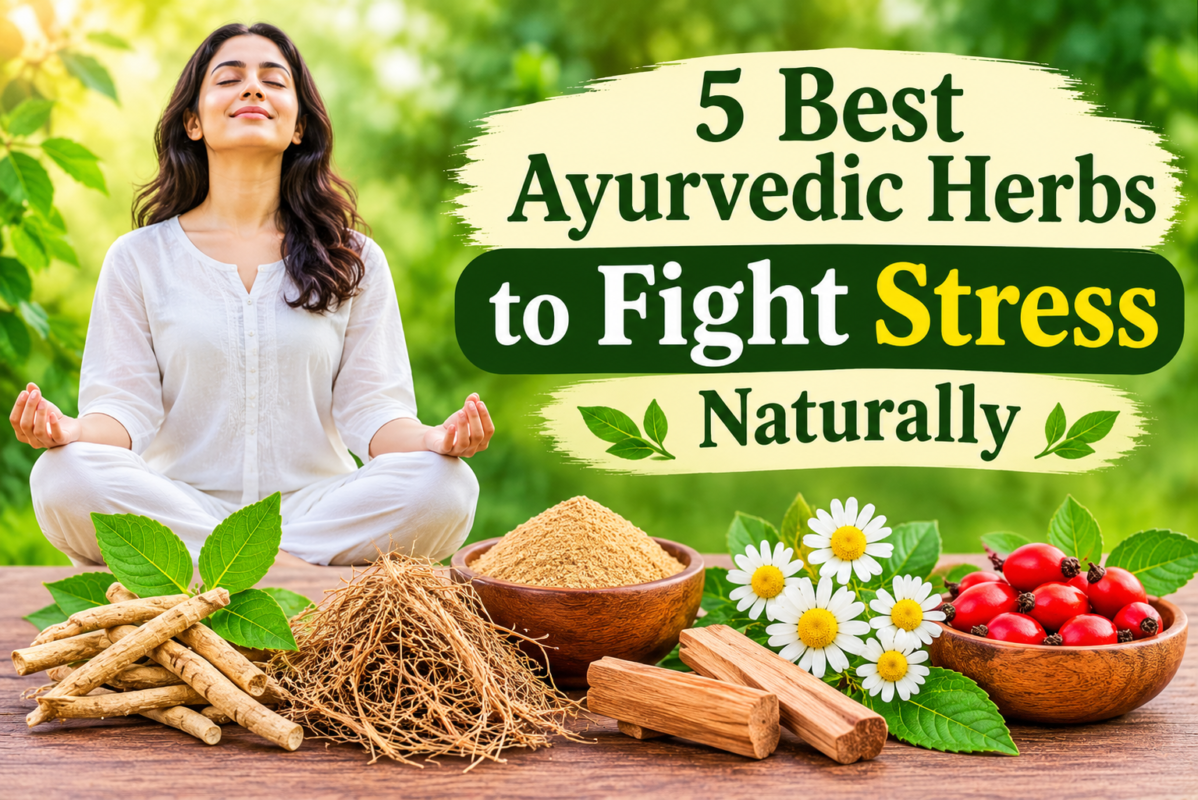
5 Best Ayurvedic Herbs to Fight Stress and Support Relaxation
Jun
Stress & anxiety have become a common problem nowadays. Read in this blog by Trustherb about 5 ayurvedic herbs to fight stress and anxiety.
Stress has become a familiar part of modern life. Busy schedules, work pressure, personal responsibilities, and lifestyle changes can make it difficult to maintain a sense of balance and relaxation. When everyday stress becomes overwhelming, it can also affect sleep, concentration, and overall well-being.
Ayurveda offers a traditional approach to wellness that includes herbs, mindful routines, balanced food habits, and relaxation practices. Certain herbs are traditionally valued for their calming, aromatic, and restorative properties.
If you are exploring natural ways to support relaxation, here are five herbs commonly associated with traditional Ayurvedic and herbal wellness practices.
Understanding Stress According to Ayurveda
Ayurveda explains the body and mind through three fundamental doshas: Vata, Pitta, and Kapha. These doshas represent different functional principles and are believed to influence physical and mental characteristics.
According to traditional Ayurvedic understanding, an imbalance in Vata may be associated with restlessness and worry, while aggravated Pitta is traditionally linked with irritability and frustration.
Ayurveda emphasises maintaining balance through suitable daily routines, mindful activities, nourishing food, and traditional herbs. These practices can complement a healthy lifestyle but should not replace professional support for persistent stress or anxiety.
5 Best Ayurvedic Herbs to Fight Stress
1. Ashwagandha
Ashwagandha (Withania somnifera), also known as Indian Ginseng, is one of the best-known herbs in Ayurveda. Its roots have a long history of traditional use and are commonly included in herbal wellness preparations.
Ashwagandha is traditionally classified as a Rasayana herb and is also studied for its potential adaptogenic properties. Some human studies have investigated its relationship with perceived stress and sleep quality, although results are not sufficient to establish it as a treatment for anxiety or other mental health conditions.
Its traditional association with vitality and overall well-being makes Ashwagandha a popular ingredient in contemporary herbal wellness products.
Explore: Ashwagandha (Withania somnifera)
2. Vetiver (Khus)
Vetiver (Chrysopogon zizanioides), commonly known as Khus, is an aromatic grass valued for its fragrant roots. It has an important place in traditional Indian practices and is appreciated for its distinctive earthy aroma.
Vetiver is traditionally associated with cooling and calming qualities. Its fragrance is used in aromatic preparations, perfumes, and traditional wellness practices.
The soothing scent of Khus can make it a pleasant addition to a relaxing environment. However, its fragrance should not be considered a proven treatment for stress, anxiety, or sleep disorders.
Explore: Vetiver (Khus Root)
3. Chandan (Sandalwood)
Chandan, commonly known as Sandalwood (Santalum album), is valued for its rich, woody fragrance. It has been used in Indian cultural and spiritual traditions for centuries.
Sandalwood is commonly associated with meditation, prayer, and mindfulness practices. Its distinctive aroma makes it a popular ingredient in incense, perfumes, and traditional aromatic preparations.
Using sandalwood fragrance during meditation or quiet personal time can help create a peaceful atmosphere. However, there is limited clinical evidence to establish that sandalwood directly reduces stress or treats anxiety.
Explore: Sandalwood (Chandan) Powder
4. Chamomile
Chamomile (Matricaria chamomilla) is a popular flowering herb used in traditional herbal preparations around the world. Its dried flowers are commonly used to prepare a mild, aromatic herbal infusion.
Chamomile tea is especially popular as part of evening relaxation routines. Its naturally occurring plant compounds have been studied for their potential relationship with relaxation and sleep.
Some research has explored chamomile preparations in relation to anxiety, but the available evidence is limited and does not establish chamomile as a replacement for professional treatment.
A warm cup of chamomile tea can be an enjoyable addition to a calming bedtime routine.
Explore: Chamomile Pinheads
5. Rosehip
Rosehip refers to the fruit of certain rose species, including Rosa canina. These small, colourful fruits are valued for their naturally occurring vitamin C, polyphenols, and other plant compounds.
Rosehip is commonly used in herbal teas, fruit preparations, and traditional food products. Its nutritional composition makes it an interesting addition to a varied and balanced diet.
Although rosehip is valued for its nutritional and botanical properties, there is insufficient scientific evidence to establish it as a specific stress-relieving herb. It is better appreciated as a nourishing herbal ingredient rather than a proven remedy for anxiety.
Explore: Rosehip
Simple Lifestyle Habits to Support Relaxation
Herbs are only one part of a balanced wellness routine. A few everyday habits may also help you manage normal daily stress:
- Maintain a regular sleep schedule: Try to follow consistent sleeping and waking times.
- Practise meditation: Spend a few minutes focusing on your breathing or practising mindfulness.
- Stay physically active: Walking, yoga, and other enjoyable activities can support overall well-being.
- Take breaks: Give yourself time away from screens and demanding tasks.
- Eat balanced meals: Include a variety of fruits, vegetables, whole grains, and nourishing foods.
Precautions Before Using Herbs for Stress
Natural does not always mean suitable for everyone. Herbal products can have side effects and interactions with medicines.
- Ashwagandha may not be suitable during pregnancy or breastfeeding and can interact with certain medicines. Rare cases of liver injury have also been reported.
- Chamomile may cause allergic reactions in people sensitive to plants in the daisy family and may interact with certain medications.
- Do not ingest concentrated sandalwood or vetiver essential oils unless specifically directed by a qualified professional.
- Consult a healthcare professional before starting herbal supplements, especially if you take regular medication or have an existing health condition.
If stress or anxiety is persistent, severe, or interfering with daily activities, seek support from a qualified healthcare professional.
FAQs:
1. Which Ayurvedic herb is traditionally used for stress?
Ashwagandha is one of the most recognised Ayurvedic herbs traditionally associated with stress management and overall wellness. Research has also explored its potential effects on perceived stress.
2. Can Ashwagandha help with relaxation?
Some studies suggest that certain Ashwagandha preparations may support perceived stress and sleep quality. However, results vary, and it should not be considered a treatment for anxiety or other mental health conditions.
3. Is Chamomile tea good for an evening routine?
Chamomile tea is commonly enjoyed as a caffeine-free herbal infusion. Many people include it in their evening routines as a relaxing beverage.
4. Which herbs are traditionally associated with calming aromas?
Vetiver and Sandalwood are valued for their distinctive fragrances and are commonly used in traditional aromatic and meditation practices.
5. Can herbs completely eliminate stress?
No herb can guarantee the elimination of stress. A balanced lifestyle, sufficient sleep, physical activity, relaxation practices, and professional support when needed are important parts of overall well-being.
Conclusion:
Ayurveda offers a rich tradition of herbal ingredients associated with relaxation, balance, and everyday wellness. Ashwagandha, Vetiver, Chandan, Chamomile, and Rosehip each have distinctive botanical properties and traditional applications.
While some herbs have been studied for their potential relationship with stress and relaxation, scientific evidence varies. Combining responsible herbal use with healthy daily habits is a more balanced approach to overall well-being.
