

Ayurvedic products and herbs
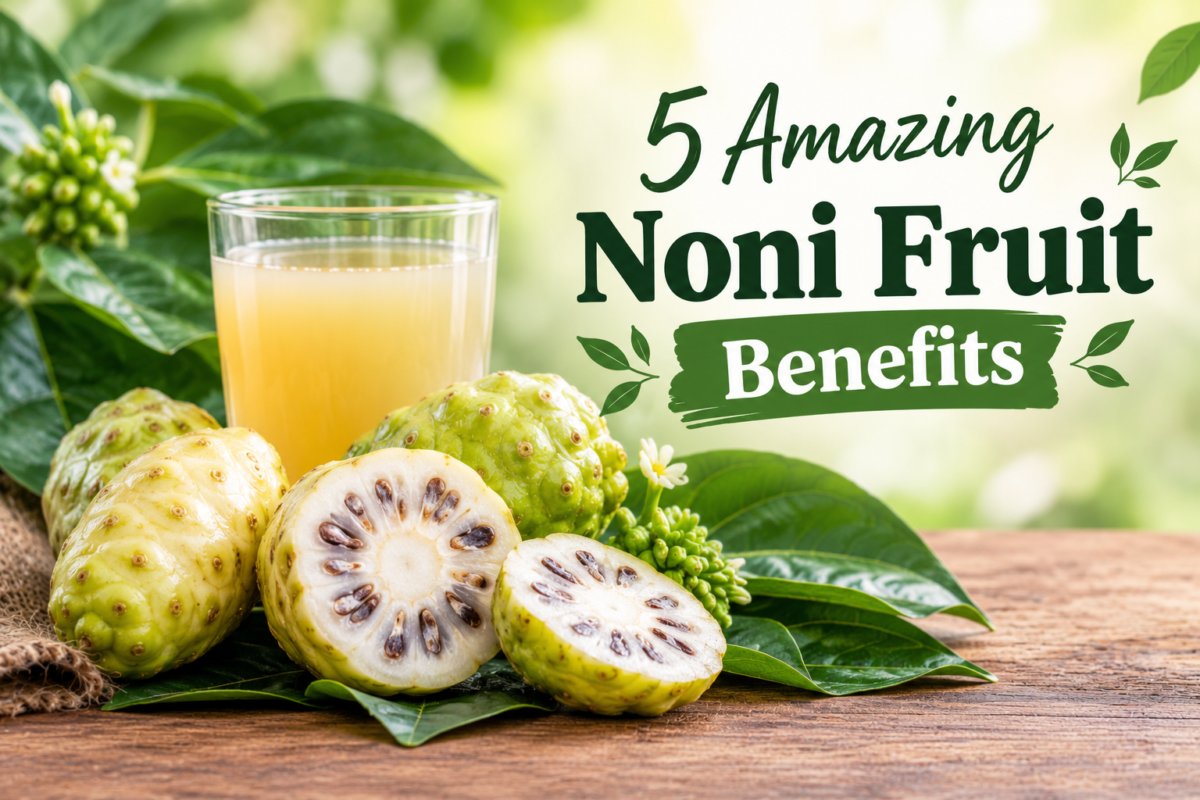
5 Amazing Noni Fruit Benefits
Oct
Noni fruit is known for its distinctive appearance, strong smell, and long history of traditional use. Also called Indian mulberry, this tropical fruit comes from the plant Morinda citrifolia, which grows in several tropical regions. It has attracted interest because of its naturally occurring plant compounds and its place in traditional food and wellness practices.
But what makes noni fruit interesting, and why has it remained popular in different cultures? Let’s explore five notable aspects of noni fruit, its traditional uses, and its nutritional qualities.
5 Amazing Noni Fruit Benefits
1. Contains Naturally Occurring Plant Compounds
Noni fruit contains a range of naturally occurring compounds, including phenolic compounds and other plant-based substances. These compounds are of interest to researchers studying the composition of tropical fruits.
The amount and type of compounds can vary depending on the fruit’s maturity, growing conditions, and processing method. Noni’s plant compounds are one reason it continues to receive scientific attention.
2. Offers an Interesting Addition to a Varied Diet
Noni fruit can be explored as part of a varied diet, particularly in regions where it is traditionally consumed. Its nutritional profile depends on how the fruit is prepared and whether it is consumed fresh, as juice, or in a processed form.
Noni products should not be considered a replacement for a balanced diet. Anyone interested in trying the fruit can compare product labels and serving information to understand what a particular preparation offers.
3. Has a Long History of Traditional Use
One of the most notable aspects of noni fruit is its history in traditional practices across parts of the Pacific Islands and other tropical regions. Different communities have used various parts of the plant in locally established preparations.
These traditions have contributed to noni’s continued popularity. However, traditional use and modern scientific evidence are different: a historical practice does not automatically establish that a product provides a particular health benefit.
4. Is Available in Different Preparations
Noni fruit is used in several forms, making it familiar to people who prefer different ways of incorporating traditional tropical ingredients into their routines. Common preparations include:
- Noni juice: A liquid preparation made from the fruit, sometimes blended with other fruit juices.
- Noni powder: A processed form that may be used in selected food or beverage preparations.
- Processed fruit products: Products made using different methods, depending on the manufacturer and local traditions.
The flavour, composition, and serving suggestions can differ between products. Check the ingredient list and follow the directions on the label.
5. Has Attracted Scientific Research Interest
Noni has been studied for its naturally occurring compounds and other properties in laboratory and early-stage research. This interest has encouraged further investigation into the fruit’s composition and potential applications.
However, research findings from laboratory studies do not necessarily translate into proven benefits for people. Evidence from human studies remains limited, so noni should not be presented as a proven treatment for any disease or health condition.
How Is Noni Fruit Commonly Used?
Noni fruit is most commonly encountered in juice and processed products. Its strong aroma and bitter taste can influence how it is prepared, and some products combine it with other ingredients to create a more palatable flavour.
If you plan to try a noni product, consider its ingredients, processing method, serving instructions, and overall quality. People who are pregnant or breastfeeding, have an existing health condition, or take medication should seek advice from a qualified healthcare professional before using concentrated noni products. Noni may also be unsuitable for some people, including those who need to limit potassium.
Buy Noni Fruit Online: Buy Now
FAQs:
1. What is another name for noni fruit?
Noni fruit is also commonly known as Indian mulberry. Its scientific name is Morinda citrifolia.
2. What does noni fruit taste like?
Ripe noni fruit has a strong, distinctive smell and a bitter taste. Its flavour can vary depending on ripeness and preparation.
3. How is noni fruit consumed?
Noni is available in preparations such as juice and powder. Follow the product label and choose a form appropriate for your needs.
4. Are the benefits of noni fruit scientifically proven?
Research has explored noni’s plant compounds, but reliable evidence supporting specific health benefits in humans remains limited. It should not be treated as a substitute for medical care.
5. What should I check before buying noni products?
Review the ingredient list, product quality information, serving instructions, and storage guidance. If you take medication or need to manage potassium intake, consult a healthcare professional before using concentrated products.
Final Thoughts
Noni fruit stands out for its distinctive flavour, naturally occurring plant compounds, and long history of traditional use. From juice to powder, it is available in several preparations for people interested in exploring tropical fruits and traditional botanical ingredients.
Although noni continues to attract scientific interest, its specific health benefits in humans have not been firmly established. Understanding the difference between traditional use and scientific evidence can help readers make informed choices about noni fruit products.
