

Ayurvedic products and herbs
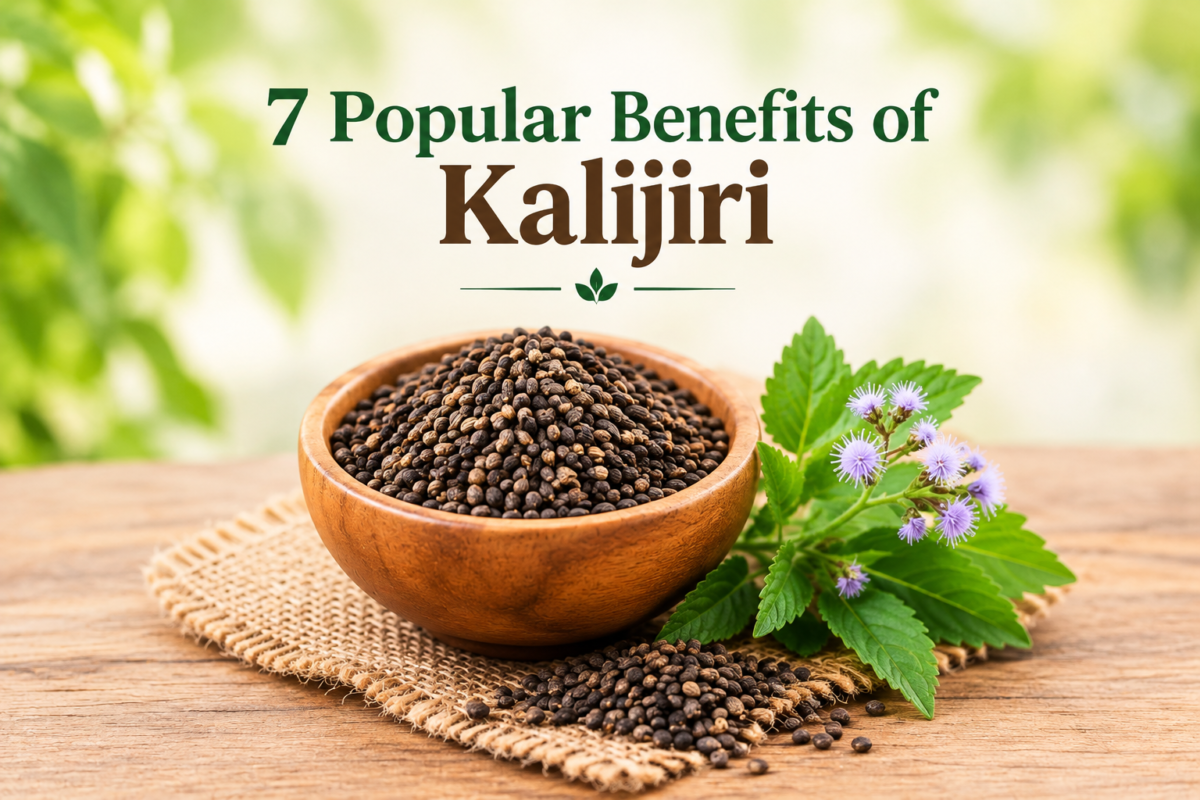
7 Popular Benefits of Kalijiri
Oct
Kalijiri is a traditional herb valued in Indian herbal practices and known for its bitter-tasting seeds. Also spelled Kali Jeeri or Kalijiri, it is commonly associated with traditional wellness routines and herbal preparations. Its botanical name is generally identified as Centratherum anthelminticum, also known in botanical literature as Vernonia anthelmintica.
From its place in traditional herbal practices to its use in different preparations, Kalijiri has attracted interest among people exploring India’s rich herbal heritage. Let’s explore seven popular benefits of Kalijiri from a traditional-use perspective.
1. Traditionally Valued for Digestive Wellness
Kalijiri has a history of use in traditional herbal preparations associated with digestive wellness. Its naturally bitter taste makes it a distinctive ingredient in traditional herbal practices, where bitter herbs have long held a place in regional food and wellness traditions.
2. Appreciated in Traditional Detox Routines
Kalijiri is sometimes included in traditional herbal routines intended to support general well-being. Its role in these practices reflects the longstanding interest in bitter herbs and their place in traditional approaches to maintaining everyday wellness.
3. Traditionally Associated with Skin Care
Kalijiri is discussed in traditional herbal literature in connection with skin care. Its seeds have been used in certain traditional preparations, reflecting the historical relationship between plant-based ingredients and regional personal-care practices.
4. Valued in Traditional Herbal Preparations
One of the notable aspects of Kalijiri is its use in traditional herbal formulations. Its seeds are recognised in various herbal traditions and may be combined with other ingredients according to established preparation practices.
5. A Notable Ingredient in Traditional Wellness Practices
Kalijiri has a place in traditional wellness routines that draw on bitter-tasting herbs. Its continued presence in herbal discussions highlights the cultural importance of plant-based ingredients in India’s traditional knowledge systems.
6. Recognised for Its Bitter Taste and Herbal Identity
The strong bitter taste of Kalijiri is one of its defining characteristics. Bitter-tasting seeds have been recognised in traditional herbal systems for generations, and Kalijiri remains an interesting ingredient for people learning about the properties and uses of traditional herbs.
7. Connects Modern Herbal Interest with Traditional Knowledge
Kalijiri represents the continuing interest in traditional Indian herbs and their historical applications. Learning about its botanical identity, traditional uses, and preparation history offers a way to explore India’s diverse herbal heritage.
FAQs:
What is Kalijiri?
Kalijiri is a traditional herb known for its bitter-tasting seeds. It is commonly identified botanically as Centratherum anthelminticum, with Vernonia anthelmintica also appearing as a botanical name in the literature.
What are the popular benefits of Kalijiri?
Kalijiri is traditionally associated with digestive wellness, herbal preparations, skin-care traditions, and general wellness practices. These associations reflect traditional use rather than established evidence of specific health benefits.
What is Kalijiri also called?
Kalijiri is also written as Kali Jeeri or Kalijiri. Botanical references may use the names Centratherum anthelminticum and Vernonia anthelmintica.
How is Kalijiri traditionally used?
Kalijiri seeds have a history of use in traditional herbal preparations. Specific preparation methods vary, so the appropriate form depends on the intended traditional application.
Can Kalijiri be consumed every day?
Daily consumption should not be assumed to be suitable for everyone. The safety of a particular preparation depends on its identity, processing, amount, and individual circumstances. Seek advice from a qualified healthcare professional before using Kalijiri medicinally.
Buy Kalijiri Online: Buy Now
Conclusion:
Kalijiri is a distinctive bitter-seeded herb with a place in traditional Indian herbal practices. Its botanical identity, historical applications, and use in herbal preparations make it an interesting subject for anyone exploring traditional herbs. Understanding its background helps readers appreciate its place in herbal heritage without confusing traditional use with proven health outcomes.
