

Ayurvedic products and herbs
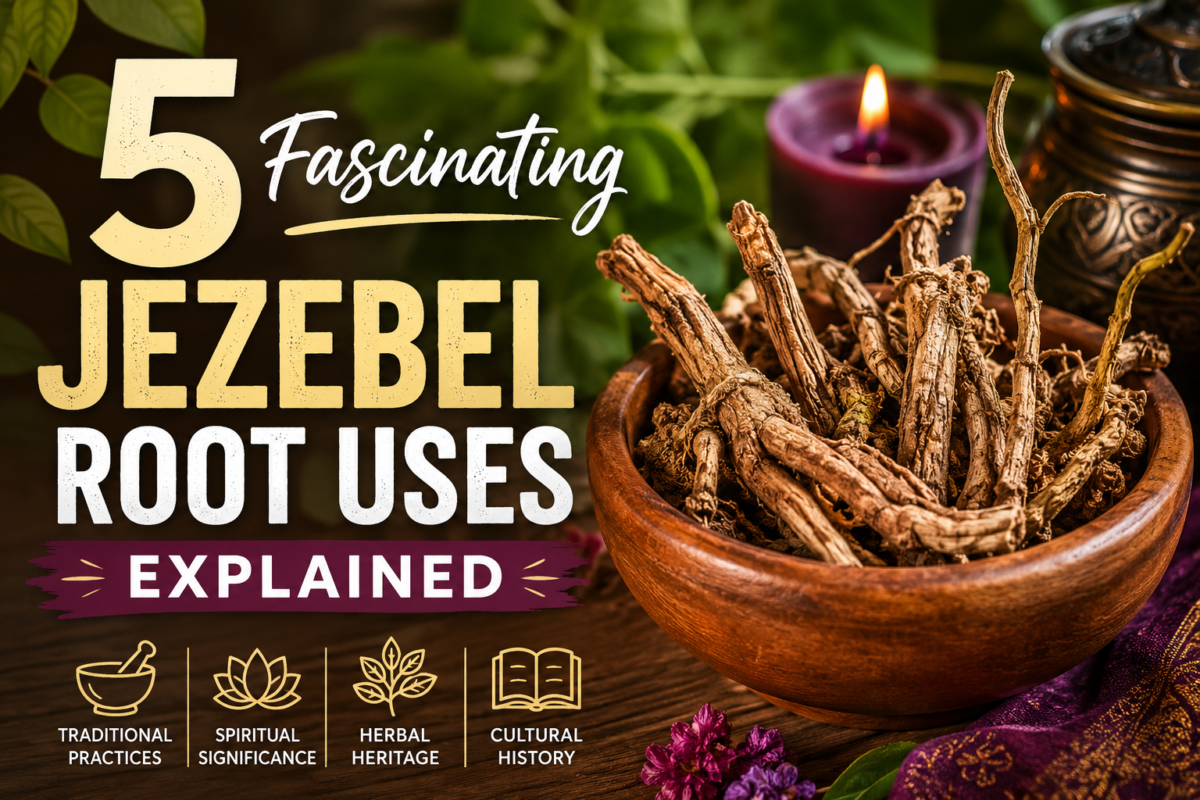
5 Fascinating Jezebel Root Uses Explained
Aug
Explore 5 fascinating Jezebel Root uses, its traditional significance, cultural history, and why this unique botanical continues to be appreciated today.
Jezebel Root has been valued for generations in traditional folk and spiritual practices, particularly within Hoodoo and rootwork traditions. Known for its rich cultural heritage and symbolic significance, this unique botanical continues to attract the interest of herbal enthusiasts, collectors, and those exploring traditional plant lore.
While it is not a culinary or wellness herb, Jezebel Root uses have been passed down through generations as part of cultural customs and ritual practices. In this guide, you’ll discover five fascinating Jezebel Root uses, learn about its traditional importance, and explore why this distinctive herb remains respected in botanical heritage.
Contents
5 Jezebel Root Uses:
1. Used in Traditional Hoodoo Practices
One of the most well-known Jezebel Root uses is its role in traditional Hoodoo and rootwork practices. For many years, practitioners have included this botanical in symbolic rituals and cultural traditions. Its historical presence has made it one of the more recognized herbs within these communities, where it is appreciated for its traditional significance rather than everyday use.
2. Appreciated for Its Cultural and Symbolic Importance
Jezebel Root is valued for the symbolic meanings attributed to it across different folk traditions. These interpretations vary by community and are rooted in long-standing cultural beliefs. Learning about these traditions offers a deeper understanding of the herb’s historical and cultural significance.
3. Popular Among Herbal Collectors
Another fascinating Jezebel Root use is as a collectible botanical. Herbal enthusiasts, ethnobotany researchers, and collectors often include it in their collections because of its unique appearance and historical background. It is frequently sought by those interested in preserving traditional botanical knowledge.
4. Studied in Folk and Ethnobotanical Research
Jezebel Root is often explored in studies of ethnobotany, folklore, and traditional plant use. Researchers and students interested in cultural heritage examine this herb to better understand how botanicals have been incorporated into customs and traditions across generations.
5. Preserves Traditional Botanical Heritage
One of the most important Jezebel Root uses today is helping preserve traditional herbal knowledge. As interest in folk traditions continues to grow, this botanical remains a meaningful example of the connection between plants, culture, and history. Its continued availability allows future generations to learn about and appreciate these longstanding traditions.
How to Store Jezebel Root
Proper storage helps maintain the quality and condition of Jezebel Root.
Follow these simple tips:
- Store in a cool, dry place.
- Keep away from direct sunlight and excess moisture.
- Use an airtight container for long-term storage.
- Label the herb clearly if stored with other botanicals.
- Keep out of reach of children and pets.
Buy Jezebel Root: Buy Now
Conclusion
Jezebel Root continues to hold an important place in traditional folk practices and botanical heritage. Its historical significance, cultural symbolism, and role in preserving traditional knowledge make it an intriguing herb for collectors, researchers, and those interested in ethnobotany.
By understanding traditional Jezebel Root uses, readers can gain a greater appreciation for the cultural stories and customs that have surrounded this unique botanical for generations.
FAQs:
What is Jezebel Root?
Jezebel Root is a botanical traditionally associated with Hoodoo, rootwork, and various folk practices. It is primarily valued for its cultural and symbolic significance.
What are the traditional Jezebel Root uses?
Traditional Jezebel Root uses include symbolic rituals, folk customs, herbal collections, and educational studies related to ethnobotany and cultural heritage.
Is Jezebel Root used for cooking?
No. Jezebel Root is not commonly used as a culinary herb and is generally appreciated for its traditional cultural and spiritual significance.
