

Ayurvedic products and herbs
Chinaberry Tree Benefits: The Complete Guide to Melia Azedarach (Pride of India)
May
Explore Chinaberry Tree benefits, traditional uses of Melia Azedarach, and why the Pride of India Tree is valued in herbal and natural lifestyle practices.
What is the Chinaberry Tree (Melia Azedarach)?
The Chinaberry Tree, scientifically known as Melia Azedarach, is a well known tree valued for its beautiful lilac colored flowers and strong connection to traditional living. Commonly found in India and several Asian regions, this tree has been part of herbal and cultural practices for generations.
Today, people interested in natural lifestyles and traditional botanical knowledge are once again exploring the Chinaberry Tree for its historical importance and authentic herbal experience. Its graceful appearance and long standing cultural value continue to make it popular in herbal and gardening discussions.
Other Names: Pride of India, Persian Lilac, Bakayan Phal
Melia Azedarach is recognized by several traditional and regional names. These names often reflect the tree’s beauty, cultural identity, or historical use in local communities.
Common names include:
- Pride of India Tree
- Persian Lilac
- Bakayan Phal
- Bead Tree
- Chinaberry Tree
- Melia Azedarach
The name “Pride of India” is commonly associated with its attractive flowers and elegant appearance, while “Persian Lilac” highlights its fragrant seasonal blooms.
Traditional Uses in Ayurveda & Folk Practices
In Ayurveda and traditional folk traditions, the Chinaberry Tree has long been valued as part of nature based living practices. Different parts of the tree have traditionally been referenced in herbal preparations and cultural routines followed across generations.
Traditional systems often focused on balance, simplicity, and mindful use of natural ingredients. Because of this, Melia Azedarach became associated with authentic herbal practices rooted in cultural knowledge and traditional living.
Its long history in village landscapes and herbal discussions continues to keep it relevant among people interested in traditional wellness lifestyles.
Top 5 Chinaberry Tree Benefits
Valued for Traditional Herbal Importance
Chinaberry Tree is traditionally valued for its connection to herbal practices that focus on balance and natural living. Many people appreciate it because of its historical role in traditional routines and botanical discussions.
Its long standing presence in herbal traditions gives it cultural and lifestyle relevance even today.
Appreciated for Botanical and Natural Value
Melia Azedarach is often appreciated for its botanical qualities and unique appearance. The tree’s flowers, leaves, and natural structure attract attention from herbal enthusiasts and gardening communities alike.
Its connection to nature based lifestyles makes it a meaningful part of traditional plant discussions.
Traditionally Used in Cultural Practices
In several regions, Chinaberry Tree has been associated with traditional household and cultural practices. It has remained part of local heritage because of its familiarity and natural significance.
This cultural association adds depth to its value beyond ornamental beauty.
Valued for Ornamental Beauty
One of the most admired features of the Pride of India Tree is its seasonal bloom. The soft purple flowers and broad canopy make it visually appealing in outdoor spaces and traditional gardens.
Its elegant appearance is one reason why it continues to attract interest in landscaping and gardening conversations.
Offers an Authentic Herbal Experience
People who prefer traditional lifestyles often appreciate herbs and trees with deep cultural roots. Chinaberry Tree provides an authentic herbal experience connected to older botanical traditions and mindful living practices.
Its growing popularity reflects the wider interest in natural and plant based lifestyles.
Which Parts of the Tree Are Traditionally Referenced?
Different parts of the Chinaberry Tree have traditionally been included in herbal and cultural practices. These commonly include:
- Leaves
- Flowers
- Seeds
- Bark
- Wood
Traditional use varied across regions and communities depending on local practices and cultural knowledge. The wood has also been appreciated historically for decorative and practical purposes.
Scientific Interest and Botanical Research
Melia Azedarach continues to attract attention in botanical and herbal research discussions because of its traditional relevance and naturally occurring plant compounds. Researchers and plant enthusiasts often explore the tree as part of broader studies related to traditional botanical knowledge.
Its historical use and cultural importance have helped maintain interest in the tree among herbal communities and nature focused discussions.
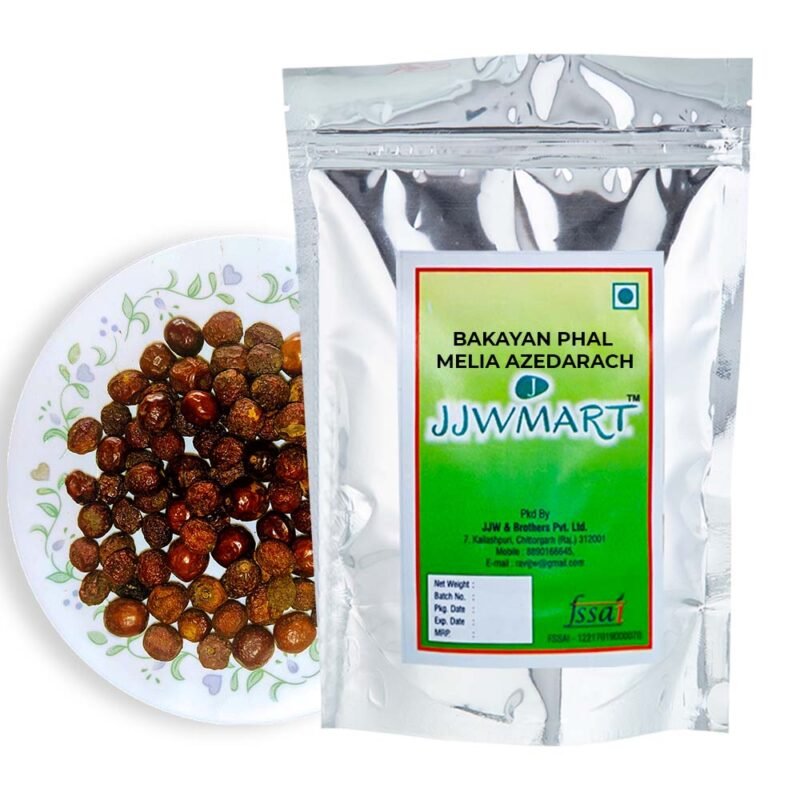
Buy Melia Azedarach Online: Buy Now
How to Use Mindfully
Traditional herbs are generally approached with balance and awareness. People interested in Chinaberry Tree often prefer learning from traditional practices and natural lifestyle approaches.
Using naturally sourced and properly identified herbal materials is considered important in traditional routines. Mindful and moderate use is commonly valued in herbal traditions focused on consistency and simplicity.
FAQs:
1. What is another name for Chinaberry Tree?
Chinaberry Tree is also known as Melia Azedarach, Pride of India Tree, Persian Lilac, and Bakayan Phal.
2. Why is Melia Azedarach becoming popular again?
Interest in Melia Azedarach is increasing because more people are exploring traditional herbs, natural lifestyles, and authentic botanical practices.
3. Why is the tree called Pride of India?
The tree is often called Pride of India because of its attractive flowers and elegant appearance during blooming seasons.
4. How long does delivery take?
Orders are usually delivered within 3 to 6 business days, depending on your location.
5. Do you deliver internationally?
Yes, worldwide delivery is available within 3 to 6 business days, with secure payment options in major currencies.
