

Uncategorized
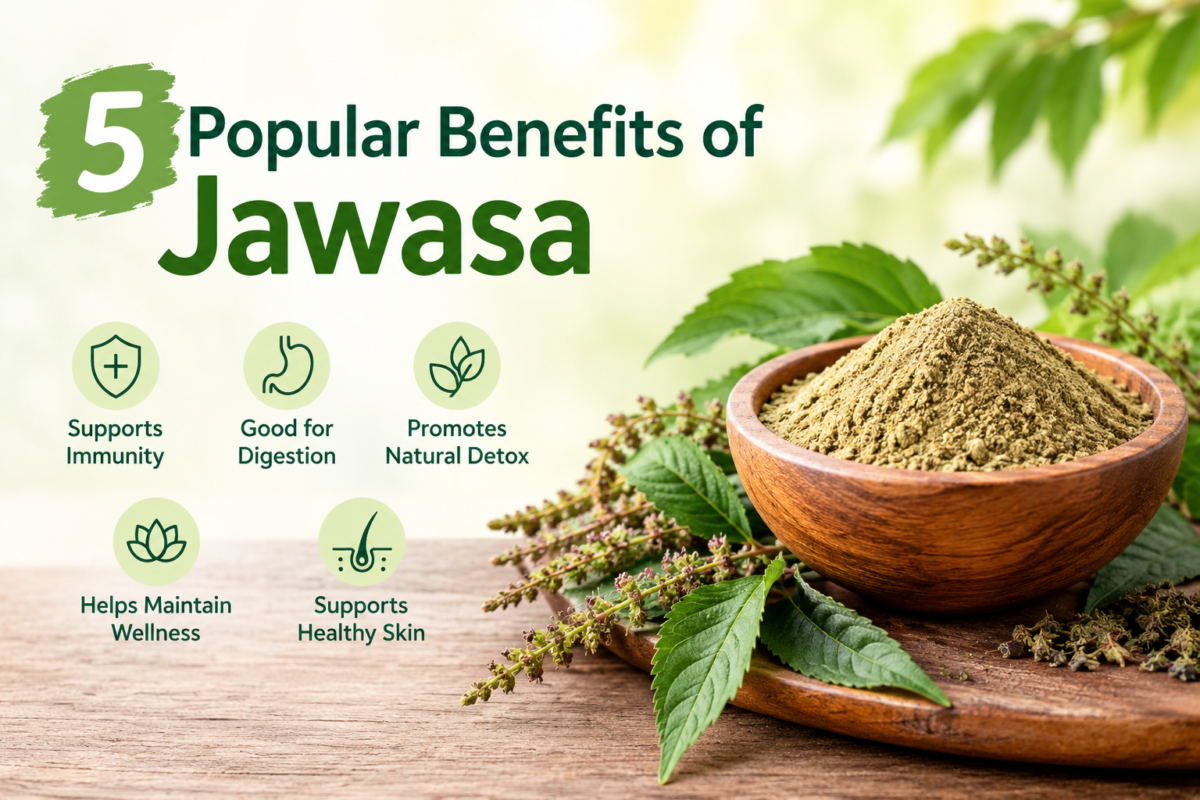
5 Popular Benefits of Jawasa
Oct
Jawasa, also known as Khorasan Thorn, Persian Manna Plant, Javasa, Yavasa, and Alhagi Pseudalhagi, is a traditional herb known for its long history in Indian and regional herbal practices. It has been valued as a natural botanical ingredient and used in different traditional preparations.
For people interested in traditional herbs, understanding the background, uses, and properties of Jawasa can be a useful way to learn more about this lesser-known plant.
Here are 5 popular traditional benefits and uses of Jawasa worth knowing.
1. Traditionally Used as an Herbal Ingredient
Jawasa has been part of traditional herbal knowledge for generations. Different parts of the plant have been used in regional preparations according to established traditional practices.
Its long-standing presence in herbal traditions makes Jawasa an interesting botanical for anyone exploring naturally sourced herbs.
2. Used in Traditional Herbal Preparations
One of the notable traditional uses of Jawasa is its inclusion in herbal preparations. Depending on the region and traditional practice, the plant may be prepared in different ways.
The form, quantity, and method of preparation can vary, so it is important to follow the directions associated with the specific Jawasa product you choose.
3. Known for Its Natural Botanical Properties
Jawasa is valued for its naturally occurring plant characteristics. Its botanical identity and distinctive features have contributed to its recognition in traditional herbal literature and regional practices.
For herbal enthusiasts, learning about these natural properties can provide a better understanding of why Jawasa has remained part of traditional plant-based knowledge.
4. A Part of Traditional Indian Herbal Knowledge
Jawasa is among the many traditional botanicals that have been documented and used across different regions. Its names and applications may vary depending on local language and traditional practices.
Exploring Jawasa can therefore offer insight into India’s diverse herbal traditions and the historical use of plants as natural ingredients.
5. Popular Among Natural Herb Enthusiasts
Interest in traditional herbs has encouraged more people to learn about lesser-known botanicals such as Jawasa. It is often explored by people interested in natural herbs, traditional plant knowledge, and botanicals in their original form.
When purchasing Jawasa, look for a product that is clearly identified, properly cleaned, and naturally processed to help ensure you receive the intended botanical ingredient.
Buy Jawasa Online: Buy Now
How Is Jawasa Traditionally Used?
The traditional use of Jawasa can vary according to the form of the herb and the practice followed. It may be available as a dried botanical ingredient or used as part of traditional herbal preparations.
Because methods of use can differ, follow the product-specific directions and seek guidance from a qualified traditional practitioner when appropriate.
Why Is Jawasa Also Called Khorasan Thorn?
Jawasa is associated with the botanical name Alhagi Pseudalhagi and is known by several regional and common names. Khorasan Thorn, Javasa, Yavasa, and Persian Manna Plant are among the names associated with this botanical.
Knowing these alternative names can be helpful when searching for or identifying Jawasa from different herbal sources.
Final Thoughts
Jawasa is a traditional botanical with a rich history in regional herbal practices. Known by names such as Khorasan Thorn, Persian Manna Plant, Javasa, Yavasa, and Alhagi Pseudalhagi, it continues to attract interest among people exploring traditional herbs.
Its traditional uses and properties should be understood in the context of historical herbal practices rather than as guaranteed outcomes. For the best experience, choose a properly identified and naturally processed Jawasa product from a reliable source.
FAQs:
What is Jawasa used for?
Jawasa has traditionally been used as a botanical ingredient in various regional herbal preparations. Its traditional applications can differ depending on the herbal system and preparation method.
What are the benefits of Jawasa?
Jawasa is traditionally valued for its botanical properties and use in herbal practices. Traditional benefits should not be interpreted as guaranteed health outcomes.
What is Jawasa called in English?
Jawasa is commonly associated with names such as Khorasan Thorn and Persian Manna Plant. It is also known as Javasa and Yavasa.
What is the botanical name of Jawasa?
The botanical name commonly associated with Jawasa is Alhagi Pseudalhagi.
How is Jawasa traditionally used?
Jawasa may be used as a dried botanical ingredient or incorporated into traditional herbal preparations. The method of use varies according to the preparation and traditional practice.
Is Jawasa available in dried form?
Yes, Jawasa can be found as a dried natural botanical ingredient. Always check the product description and botanical identification before purchasing.
What are the other names of Jawasa?
Commonly associated names include Khorasan Thorn, Persian Manna Plant, Javasa, Yavasa, and Alhagi Pseudalhagi.
