

Ayurvedic products and herbs, Uncategorized
7 Amazing Makoi Plant Benefits
Aug
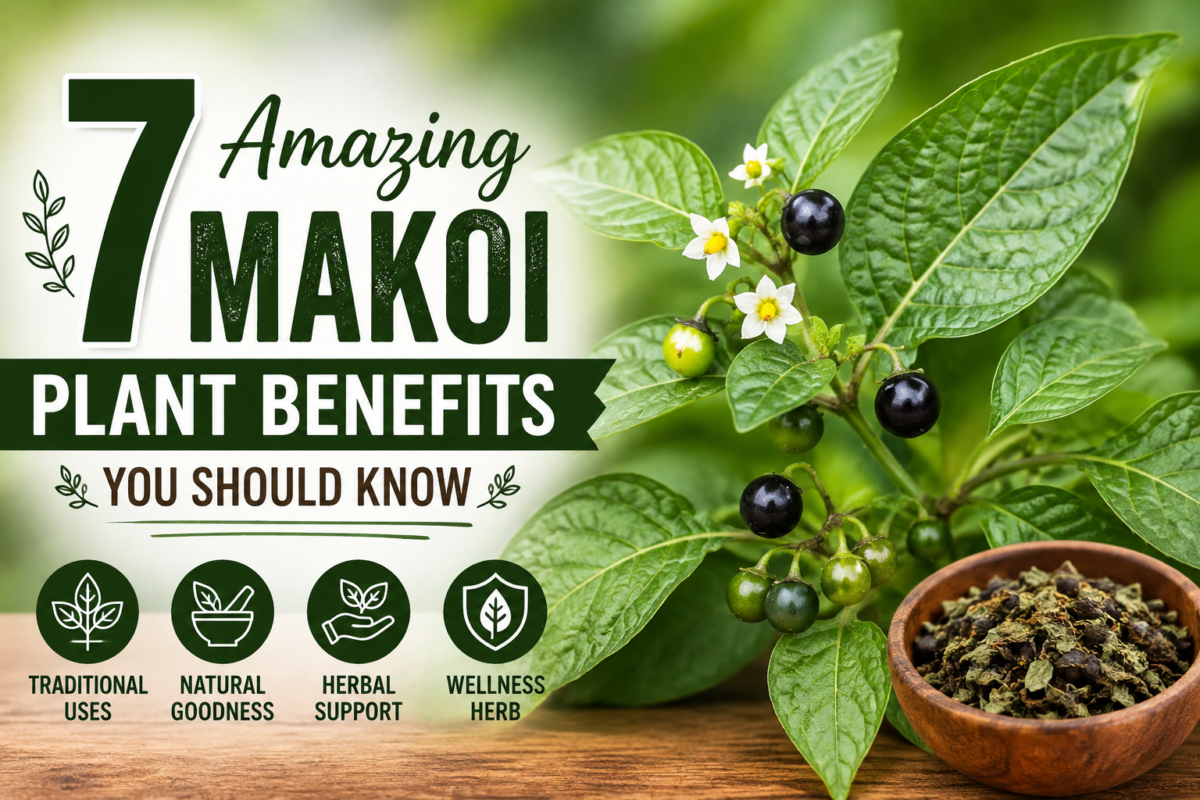
Makoi is a well-known herb associated with traditional Indian herbal practices and regional food traditions. Commonly identified as Solanum nigrum, this small plant is recognized for its leaves, flowers, and berries. Over generations, Makoi has been valued in different traditional practices and is still explored by people interested in herbs, botanical ingredients, and natural living.
In this article, let’s explore 7 Makoi plant benefits, its traditional importance, common uses, and some basic botanical information.
Contents
7 Amazing Makoi Plant Benefits
1. Valued in Traditional Herbal Practices
One of the main reasons Makoi remains popular is its connection with traditional herbal practices. Different communities have historically used Makoi in various traditional preparations. Its long-standing presence in herbal knowledge makes it an interesting plant for anyone exploring traditional botanicals.
2. Traditionally Used Leaves
Makoi leaves are associated with several regional food and traditional preparations. In some Indian culinary traditions, the leaves are prepared as part of regional dishes. This connection between Makoi and traditional food practices adds to the plant’s cultural importance.
3. Naturally Contains Plant Compounds
Makoi naturally contains a variety of plant compounds that contribute to its botanical characteristics. The plant has also attracted scientific and botanical interest because of its naturally occurring constituents. This makes it an interesting subject for people studying herbs and plant-based ingredients.
4. Used in Traditional Preparations
Different parts of Makoi have been incorporated into traditional preparations across various regions. The exact preparation and use can differ according to local customs. This highlights the diverse ways herbs have traditionally been incorporated into everyday practices.
5. Part of Traditional Indian Botanical Knowledge
Makoi has an established place in traditional Indian plant knowledge. Its regional names, traditional applications, and historical importance demonstrate how botanical knowledge has been passed from one generation to another. For people interested in traditional herbs, Makoi offers an interesting example of India’s diverse herbal heritage.
6. Interesting Plant for Botanical Studies
Makoi is also interesting from a botanical perspective. Its leaves, flowers, berries, and growth characteristics make it a useful subject for learning about plant identification and botanical diversity. Its association with the Solanum genus also makes it relevant to people interested in studying different members of this plant family.
7. Appreciated for Its Traditional Importance
Makoi continues to attract attention because of its connection with traditional herbal practices and regional food culture. Rather than being valued for only one particular use, the plant has a broader place in traditional knowledge, making it an interesting herb to explore.
Buy Solanum Nigrum Online: Buy Now
Final Thoughts
Makoi is a fascinating herb with a long association with traditional Indian herbal knowledge and regional food practices. Its leaves, flowers, berries, and different regional names have made it a recognizable botanical across various communities.
