

Ayurvedic products and herbs, Neem, Tulsi
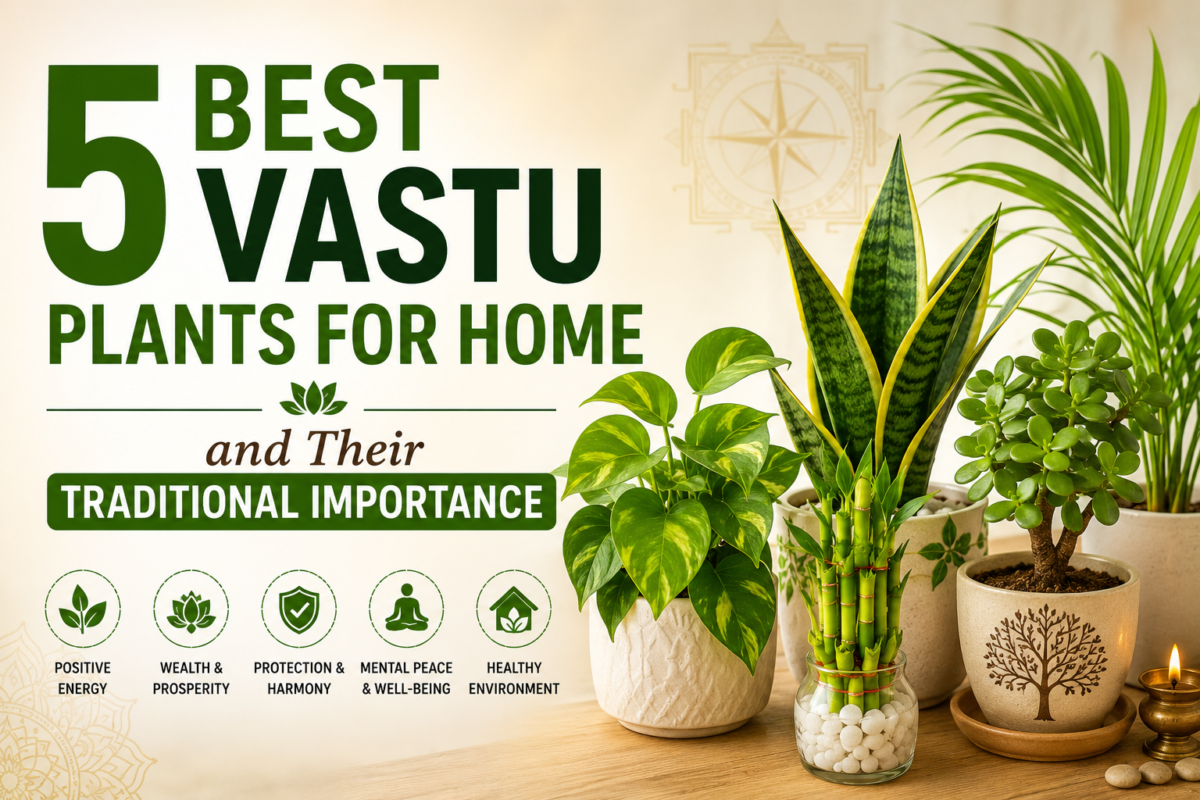
5 Best Vastu Plants for Home and Their Traditional Importance
Jun
Plants have always held a special place in Indian homes. Beyond their natural beauty, many plants are valued for their cultural and traditional significance. In Vastu traditions, certain plants are believed to create a harmonious atmosphere and strengthen the connection between nature and daily life. This is why many homeowners look for the Best Vastu Plants for Home when designing their living spaces.
Whether placed indoors, on a balcony, or in a garden, these plants are cherished for their symbolic importance and timeless appeal. Let’s explore five popular Vastu-friendly plants and understand why they continue to be valued across generations.
Contents
Why Are Vastu Plants Popular?
Plants bring freshness, greenery, and a sense of balance to a home. In traditional Indian practices, some plants are especially appreciated because they symbolize prosperity, growth, purity, and positivity.
Choosing the Best Vastu Plants for Home is often seen as a way to create a welcoming environment while staying connected to nature and cultural traditions.
1. Tulsi Plant
Traditional Importance of Tulsi
The Tulsi plant, also known as Holy Basil, is one of the most respected plants in Indian households. It has been cherished for centuries and is commonly found in courtyards, balconies, and home gardens.
Tulsi is valued for its sacred significance and is often associated with purity and devotion. Many families include it among the Best Vastu Plants for Home because of its strong cultural presence and traditional importance.
Buy Tulsi Seeds Online: Buy Now
Why People Prefer Tulsi
- Easy to grow and maintain
- Widely respected in Indian traditions
- Adds natural greenery to the home
- Popular in herbal and wellness practices
2. Money Plant
Traditional Importance of Money Plant
The Money Plant is one of the most popular indoor plants worldwide. Its attractive green leaves and climbing nature make it a favorite choice for homes and offices.
In Vastu traditions, the Money Plant is often associated with growth and abundance. Because it adapts well to indoor environments, it is frequently included in lists of Indoor Vastu Plants and Lucky Plants for Home.
Buy Money Plant Online: Buy Now
Why People Prefer Money Plant
- Thrives in indoor conditions
- Requires minimal care
- Suitable for apartments and small spaces
- Attractive year-round foliage
3. Lucky Bamboo Plant
Traditional Importance of Lucky Bamboo
The Lucky Bamboo Plant is admired for its elegant appearance and compact size. It is often displayed in decorative containers, making it a popular addition to modern homes.
Many people appreciate Lucky Bamboo because it symbolizes balance, resilience, and steady growth. It remains one of the most sought-after Vastu Friendly Plants for contemporary living spaces.
Why People Prefer Lucky Bamboo
- Stylish and decorative
- Suitable for desks and indoor corners
- Easy to maintain
- Complements modern interiors
4. Shami Plant
Traditional Importance of Shami Plant
The Shami Plant holds a special place in Indian traditions and cultural practices. It is often mentioned in ancient texts and continues to be respected across different regions of the country.
Because of its long-standing cultural significance, many homeowners consider it among the Best Vastu Plants for Home and include it in gardens or outdoor spaces.
Buy Shami Plant Online: Buy Now
Why People Prefer Shami Plant
- Deep cultural importance
- Suitable for outdoor planting
- Traditional significance across India
- Popular during festivals and special occasions
5. Neem Tree
Traditional Importance of Neem
The Neem tree is one of India’s most valued trees. Known for its longevity and distinctive appearance, it has been an important part of traditional Indian lifestyles for generations.
Neem is often appreciated for its connection to nature and traditional living. It is frequently included among Positive Energy Plants and is commonly found near homes, farms, and community spaces.
Buy Neem Tree Online: Buy Now
Why People Prefer Neem
- Strong traditional value
- Long lifespan
- Provides shade and greenery
- Popular in Indian culture
How to Choose the Best Vastu Plants for Home
Selecting the right plant depends on your available space, maintenance preferences, and personal connection to traditional practices.
When choosing among the Best Vastu Plants for Home, consider:
- Indoor or outdoor placement
- Available sunlight
- Water requirements
- Plant size and growth pattern
- Traditional significance
The most important factor is choosing plants that help you create a pleasant and natural environment within your living space.
Why Vastu Plants Remain Popular Today
Even in modern cities, people continue to bring plants into their homes. Apart from their visual appeal, these plants represent a connection to nature and long-standing traditions.
From Tulsi and Money Plant to Neem and Shami, these Lucky Plants for Home continue to be valued by families who appreciate greenery, cultural heritage, and traditional wisdom.
FAQs:
Which are the Best Vastu Plants for Home?
Tulsi, Money Plant, Lucky Bamboo, Shami Plant, and Neem are among the most popular choices due to their traditional significance and widespread acceptance.
Can Vastu plants be grown indoors?
Yes. Plants such as Tulsi, Money Plant, and Lucky Bamboo are commonly grown indoors and are popular choices for modern homes.
Why are Vastu-friendly plants popular?
These plants are appreciated for their cultural importance, symbolic value, and ability to add natural beauty to living spaces.
Which plant is most commonly found in Indian homes?
Tulsi is one of the most commonly grown plants in Indian households because of its long-standing traditional significance.
Are Vastu plants suitable for apartments?
Yes. Many Indoor Vastu Plants, including Money Plant and Lucky Bamboo, are ideal for apartments and compact living spaces.
Conclusion:
The Best Vastu Plants for Home are valued not only for their appearance but also for their traditional importance and cultural significance. Tulsi, Money Plant, Lucky Bamboo, Shami Plant, and Neem continue to be popular choices among homeowners who wish to create a natural and welcoming environment.
