

Ayurvedic products and herbs
Top 5 Benefits of Kafal for Everyday Wellness
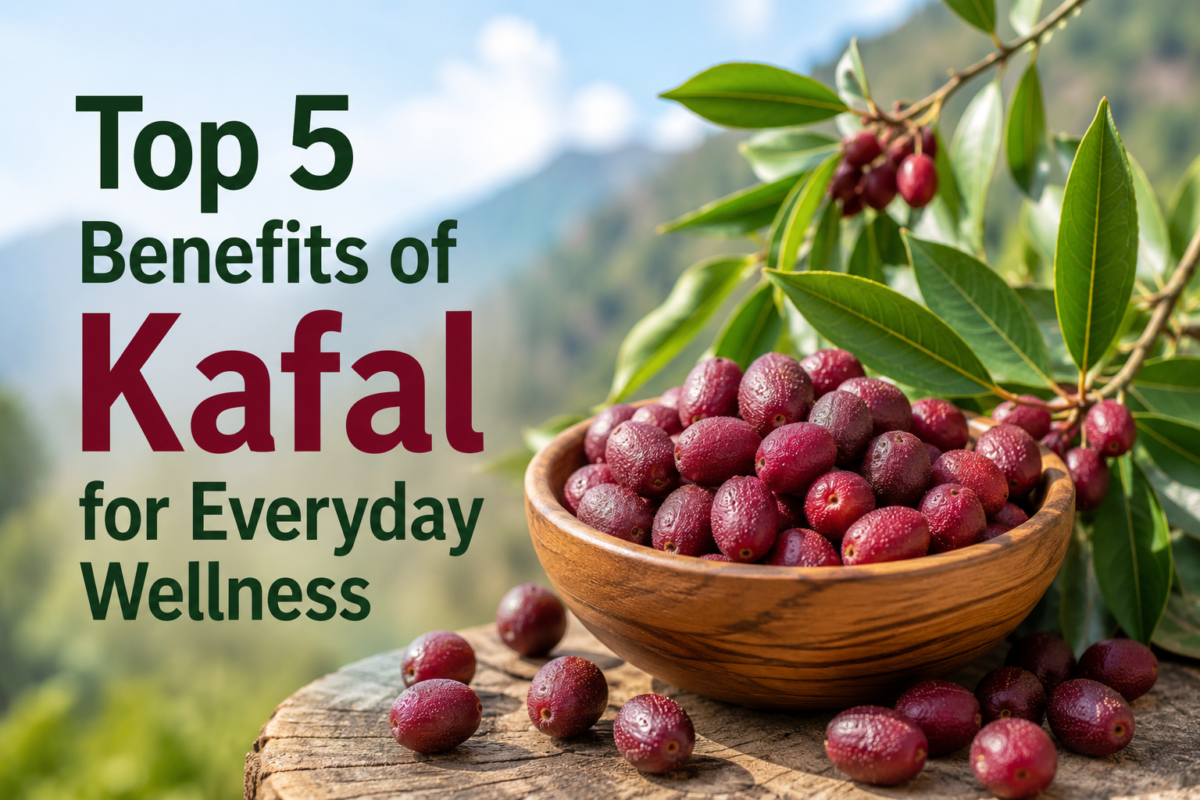
Aug
Discover the top 5 benefits of Kafal, a traditional Himalayan fruit. Learn about Myrica esculenta, its uses, unique flavor, and cultural significance.
Kafal is a traditional Himalayan fruit valued for its distinctive flavor and long-standing place in local food and botanical traditions. Also known as Myrtle, Kafal, Kaiphal, Kayfal, Myrica Nagi, and Myrica Esculenta, this naturally occurring plant has attracted interest for generations.
Beyond its cultural importance, Kafal is appreciated for its traditional uses and botanical value. Here are five key aspects that make Kafal an interesting addition to conversations around natural living and everyday wellness.
Contents
Top 5 Benefits of Kafal
1. Naturally Rich in Plant Compounds
One of the notable characteristics of Kafal is its natural composition. Like many fruits and botanicals, Kafal contains naturally occurring plant compounds that contribute to its traditional nutritional and botanical interest.
Its fruit is enjoyed as part of seasonal diets, while other parts of the plant have been valued in traditional botanical practices.
Rather than focusing on isolated compounds, Kafal is best appreciated as part of a varied and balanced approach to natural foods.
2. Traditionally Valued in Himalayan Culture
Kafal has a strong connection with Himalayan food traditions and local culture. During its fruiting season, the berries are traditionally collected and enjoyed for their refreshing sweet-and-sour flavor.
The fruit has also been incorporated into regional recipes and household preparations, making Kafal more than simply a botanical species—it is part of the culinary heritage of several Himalayan communities.
3. A Flavorful Seasonal Fruit
Kafal offers a unique taste that sets it apart from many commonly available fruits. Its combination of sweetness and tartness makes it enjoyable as a seasonal snack.
Fresh Kafal can be eaten on its own, while traditional preparations may combine the fruit with simple ingredients to enhance its distinctive flavor.
For people interested in discovering lesser-known traditional fruits, Kafal provides an opportunity to explore the diverse edible plants of the Himalayan region.
4. Appreciated for Traditional Botanical Uses
Different parts of the Kafal plant have a history of use in traditional botanical practices. In particular, the bark and fruit have been mentioned in various regional traditions.
These traditional uses are part of Kafal’s cultural and botanical history and should be understood in that context. Traditional use does not necessarily establish modern health effects, but it does highlight why this plant has remained important across generations.
5. Supports Interest in Natural and Traditional Living
Kafal is an excellent example of how regional plants can connect food, culture, and traditional knowledge. Exploring plants such as Kafal can encourage greater appreciation for naturally sourced ingredients and traditional food practices.
Whether encountered as a seasonal fruit or studied for its botanical identity, Kafal represents the rich diversity of Himalayan plant life.
Buy Kafal Powder Online: Buy Now
Kafal’s Botanical Identity
Understanding Kafal’s botanical name can help distinguish it from similarly named plants.
- Common Name: Kafal
- Other Names: Kaiphal, Kayfal, Myrtle
- Botanical Name: Myrica esculenta
- Family: Myricaceae
- Regional Association: Himalayan regions of South Asia
The name Myrica nagi is also associated with Kafal in botanical and regional references, although scientific naming and classification can vary across sources.
How Kafal Is Traditionally Enjoyed
Kafal is primarily appreciated as a seasonal fruit. Depending on regional customs, it may be:
- Enjoyed fresh as a fruit
- Included in traditional food preparations
- Used in regional recipes
- Studied for its botanical and cultural significance
Its naturally tangy flavor makes it particularly appealing to those who enjoy distinctive Himalayan fruits.
Why Kafal Is Worth Exploring
Kafal brings together several interesting aspects of natural living: seasonal food, traditional knowledge, regional culture, and botanical diversity.
Rather than viewing Kafal only through the lens of modern wellness trends, it is useful to appreciate the plant in its broader context. Its history in Himalayan communities and its distinctive fruit make it an intriguing botanical ingredient for anyone interested in traditional plants.
Final Thoughts
Kafal (Myrica esculenta) is a fascinating Himalayan fruit with a long-standing place in regional food and traditional botanical practices. Its unique flavor, cultural importance, and botanical identity make it worth exploring.
From its seasonal fruit to its traditional significance, Kafal offers a simple reminder of the incredible diversity found in naturally occurring plants.
If you’re exploring traditional herbs, fruits, and botanicals, learning about Kafal is a great way to discover another fascinating part of Himalayan plant heritage.
FAQs:
What is Kafal?
Kafal is a Himalayan fruit-bearing tree commonly identified as Myrica esculenta. It is also known by names such as Kaiphal and Kayfal.
What are the traditional benefits of Kafal?
Kafal has been valued in traditional botanical practices and regional food traditions. Its fruit is also enjoyed as a seasonal food.
What is the botanical name of Kafal?
The botanical name commonly used for Kafal is Myrica esculenta.
What does Kafal taste like?
Kafal is known for its distinctive sweet-and-tart flavor, making it a popular seasonal fruit in parts of the Himalayan region.
Is Kafal a Himalayan fruit?
Yes. Kafal is strongly associated with the Himalayan region and is traditionally found across parts of India, Nepal, and nearby areas.
