Uncategorized
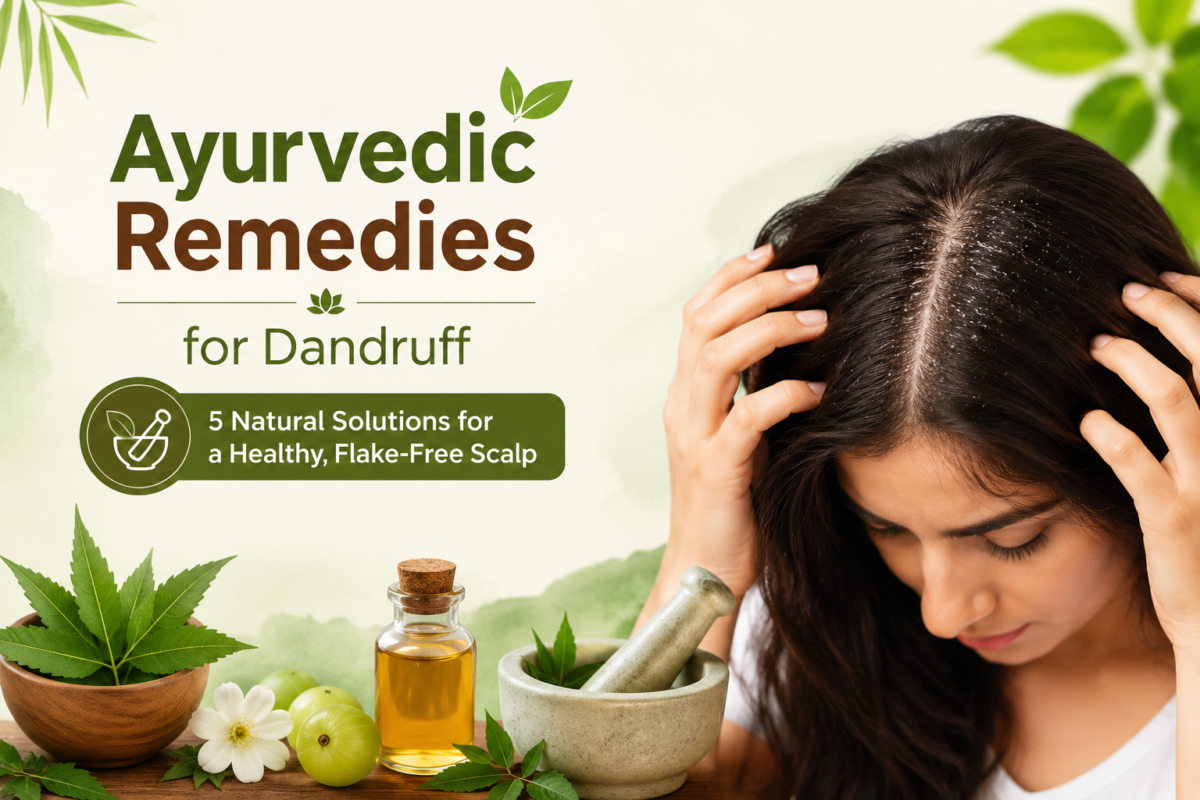
Ayurvedic Remedies for Dandruff: 5 Natural Solutions for a Healthy, Flake-Free Scalp
Jul
Dandruff is one of the most common scalp concerns, affecting people of all ages. White flakes, itching, scalp irritation, and dryness can be frustrating, especially when they keep returning despite using different shampoos. Ayurveda takes a holistic approach by focusing on balancing the scalp, reducing excess oil or dryness, and nourishing the hair from the roots.
Many Ayurvedic herbs possess cleansing, soothing, and scalp-conditioning properties that can help support a healthier scalp as part of a regular hair care routine. Along with maintaining proper scalp hygiene and a balanced diet, herbal products can become an effective addition to your routine. Ayurvedic hair care categories such as anti-dandruff shampoos, herbal oils, aloe vera gels, and neem-based products are widely available through herbal wellness retailers.
What Causes Dandruff?
Several factors can contribute to dandruff, including:
- Dry scalp
- Excess oil production
- Build-up of styling products
- Overgrowth of naturally occurring scalp yeast
- Infrequent hair washing
- Sensitivity to certain hair care products
- Seasonal weather changes
Identifying the underlying cause can help you choose the most suitable hair care routine.
Common Symptoms of Dandruff
- White or yellow flakes on the scalp
- Persistent itching
- Dry or oily scalp
- Mild redness or irritation
- Hair that appears dull due to scalp buildup
5 Ayurvedic Remedies for Dandruff
1. Neem-Based Hair Cleanser or Shampoo
Neem has been used in Ayurveda for centuries for maintaining scalp hygiene. Its cleansing and soothing properties help remove excess oil, dirt, and impurities while supporting a healthier scalp environment.
Neem-based hair care products are commonly used in Ayurvedic routines to keep the scalp clean and refreshed.
How to use:
- Apply to wet hair.
- Massage gently for 2–3 minutes.
- Rinse thoroughly.
- Use 2–3 times per week.
Buy Neem Products Online: Buy Now
2. Bhringraj Hair Oil
Bhringraj is one of Ayurveda’s most valued herbs for scalp and hair care. Regular scalp massage with Bhringraj oil helps nourish the scalp, improve circulation, and reduce dryness that may contribute to flaking.
Bhringraj oil is traditionally used as part of Ayurvedic hair care practices to support stronger and healthier-looking hair.
How to use:
- Warm a small amount of oil.
- Massage into the scalp for 5–10 minutes.
- Leave overnight or for at least one hour before washing.
Buy Bhringraj Products Online: Buy Now
3. Aloe Vera Gel
Aloe vera is known for its cooling and moisturizing properties. Applying pure aloe vera gel can help soothe an itchy scalp and provide hydration to dry areas.
Aloe vera-based products are often included in natural hair care routines because of their lightweight and soothing nature.
How to use:
- Apply directly to the scalp.
- Leave for 20–30 minutes.
- Wash with a mild herbal shampoo.
Buy Aloe Vera Products Online: Buy Now
4. Amla Hair Oil
Rich in natural antioxidants, Amla has traditionally been used to strengthen hair while supporting overall scalp health. It also helps maintain the scalp’s natural moisture balance.
Amla-based hair products are popular in Ayurveda for nourishing hair and maintaining a healthy scalp routine.
How to use:
- Massage into the scalp twice weekly.
- Leave for a few hours before washing.
Buy Amla Products Online: Buy Now
5. Herbal Hair Pack (Amla, Reetha & Shikakai)
A combination of Amla, Reetha, and Shikakai acts as a gentle natural cleanser. These herbs help remove excess oil and buildup without stripping away the scalp’s natural moisture.
This traditional Ayurvedic combination is widely used in herbal hair care routines for cleansing and conditioning.
How to use:
- Mix the herbal powder with water or aloe vera gel.
- Apply evenly to the scalp.
- Leave for 20–30 minutes.
- Rinse with lukewarm water.
Buy Now:
Additional Ayurvedic Tips for Preventing Dandruff
- Wash your hair regularly using a mild herbal shampoo.
- Avoid scratching the scalp.
- Reduce excessive use of hair styling products.
- Stay hydrated throughout the day.
- Eat foods rich in vitamins, zinc, and omega-3 fatty acids.
- Practice stress management through yoga or meditation, as stress may worsen scalp issues.
When Should You See a Doctor?
If dandruff persists despite regular care, becomes severe, or is accompanied by redness, swelling, pain, or significant hair loss, consult a dermatologist. These symptoms may indicate another scalp condition that requires professional evaluation.
Conclusion:
Ayurveda emphasizes restoring balance rather than simply masking symptoms. Natural ingredients like Neem, Bhringraj, Aloe Vera, Amla, and traditional herbal hair packs can support scalp health when used consistently as part of a gentle hair care routine.
Combined with good hygiene, balanced nutrition, and healthy lifestyle habits, these remedies can help promote a cleaner, healthier, and more comfortable scalp.
