

Uncategorized
Fragrant Padri Tree Benefits: Why Patala Is Valued in Ayurveda
Mar
The Fragrant Padri Tree, known as Patala in Ayurveda, is a traditional herb valued for its botanical properties and historical importance in herbal preparations. This article explores Fragrant Padri Tree benefits and explains why the Patala herb remains important in Ayurvedic wellness traditions.
The Stereospermum suaveolens, commonly known as the Fragrant Padri Tree or Patala, is a respected plant in traditional Ayurvedic knowledge. This deciduous tree is admired for its fragrant flowers and its historical role in herbal traditions described in classical Ayurvedic texts.
In different regions of India, the plant is known by several names including Padal, Patala, Podal, and Padeli. For generations, various parts of the tree such as bark, roots, leaves, and flowers have been used in traditional herbal preparations valued for supporting overall wellness.
Because of its botanical characteristics and historical importance, Patala continues to hold a valuable place among traditional Ayurvedic herbs.
Contents
Patala in Ayurvedic Tradition
In Ayurveda, Patala is described as an herb of traditional significance and is included in several classical herbal formulations. The bark and roots of the plant are particularly valued in traditional preparations.
The herb may traditionally be used in forms such as:
- Herbal decoctions
- Powder preparations
- Herbal mixtures
- Plant extracts used in classical formulations
Ayurvedic texts often mention Patala as a plant valued for maintaining natural balance and supporting traditional wellness practices.
Fragrant Padri Tree Benefits in Traditional Herbal Practices
1. Supports Natural Body Balance
In traditional Ayurvedic understanding, Patala is appreciated for helping maintain natural balance within the body. Herbal preparations made from the plant are often included in traditional wellness routines.
2. Traditionally Used in Herbal Formulations
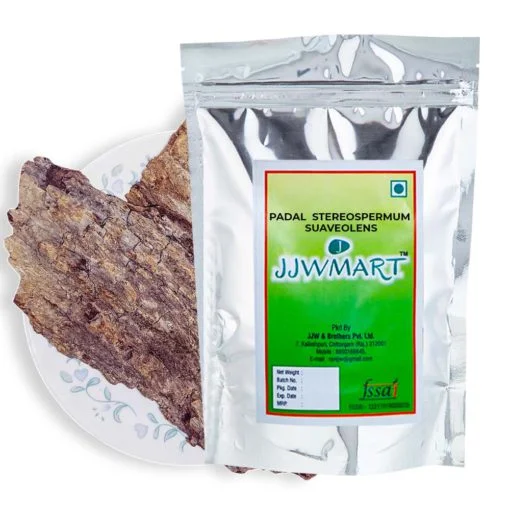
The bark and roots of the Fragrant Padri Tree have historically been included in many Ayurvedic herbal formulations. These traditional preparations are described in classical Ayurvedic texts.
3. Valued for Its Botanical Compounds
Patala contains naturally occurring plant compounds that are appreciated in herbal traditions. These botanical components contribute to its reputation as a valued herb in traditional preparations.
4. Associated with Seasonal Wellness
In many herbal traditions, plants like Patala are valued for their role in supporting wellness during seasonal changes. Traditional routines often incorporate such plants as part of holistic wellness practices.
5. Important in Traditional Herbal Knowledge
The Fragrant Padri Tree holds cultural and historical importance in Ayurvedic herbal knowledge. Its presence in classical texts highlights its long-standing value in traditional wellness traditions.
Buy Patala Bark Online: Buy Now
Parts of the Patala Plant Used in Herbal Preparations
Different parts of the Fragrant Padri Tree are traditionally used:
Bark – commonly used in herbal decoctions
Roots – included in traditional herbal mixtures
Leaves – sometimes used in herbal preparations
Flowers – appreciated for their fragrance and botanical properties
These uses have been documented in traditional Ayurvedic knowledge passed down through generations.
Why Patala Is Important in Ayurveda
Patala is valued in Ayurveda because of its historical presence in herbal traditions and its role in classical formulations. Many Ayurvedic practitioners appreciate the plant for its botanical properties and versatility.
Its natural compounds and traditional significance have helped maintain its importance among Ayurvedic herbs.
Frequently Asked Questions
What is the scientific name of the Fragrant Padri Tree?
The scientific name is Stereospermum suaveolens.
What is Patala in Ayurveda?
Patala is a traditional Ayurvedic herb derived from the Fragrant Padri Tree and is valued in herbal traditions.
Which parts of the Patala plant are used?
The bark, roots, leaves, and flowers are traditionally used in herbal preparations.
Where does the Fragrant Padri Tree grow?
The tree grows naturally in tropical and subtropical regions, especially across India.
Why is Patala valued in herbal traditions?
Patala is valued because of its long presence in Ayurvedic literature and its traditional use in herbal formulations.
Conclusion
The Fragrant Padri Tree, known in Ayurveda as Patala, has a long history in traditional herbal knowledge. Different parts of the plant have been appreciated in Ayurvedic preparations for generations.
Because of its botanical properties and historical importance, Patala continues to be recognized as a valued herb in Ayurvedic wellness traditions.
