

Ayurvedic products and herbs
Top Traditional Uses of Vacha (Sweet Flag) in Herbal Practices
Mar
Explore the traditional uses of Vacha (Sweet Flag) in herbal practices, its botanical background, and its long-standing importance in herbal traditions.
Vacha, commonly known as Sweet Flag, is a well-known herb in traditional herbal systems. Scientifically identified as Acorus calamus, this plant grows naturally in marshy and water-rich regions. The aromatic rhizome of Vacha has been valued for centuries in classical Ayurvedic texts and herbal traditions.
The uses of Vacha have been discussed in many traditional practices because of its distinctive aroma and botanical importance. Herbal practitioners often include this plant in different natural preparations due to its historical relevance and versatility.
Contents
Botanical Overview of Vacha (Sweet Flag)
Vacha is a perennial plant recognized for its long sword-shaped leaves and aromatic underground rhizome. The plant typically grows near wetlands, ponds, and riverbanks.
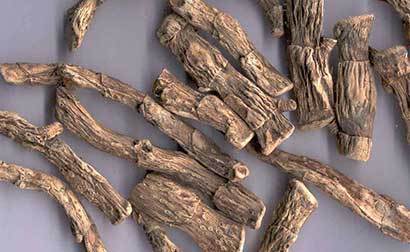
The rhizome of Acorus calamus is the most valued part of the plant and is traditionally harvested, cleaned, dried, and processed into powder. Because of its strong fragrance and unique botanical properties, it has remained an important herb in classical herbal traditions.
Understanding the plant’s structure and natural habitat helps explain the uses of Vacha in traditional herbal practices.
Aromatic Herbal Ingredient in Traditional Preparations
One of the most recognized uses of Vacha is its role as an aromatic herb in traditional formulations. The dried rhizome carries a strong, earthy fragrance, which makes it suitable for herbal blends and natural preparations.
In many herbal traditions, aromatic plants like Vacha are appreciated for their distinctive scent and traditional value.
Traditional Herbal Powder Applications
Another common example of the uses of Vacha is in powdered herbal preparations. After harvesting, the rhizome is carefully dried and ground into a fine powder.
This powdered form is easier to include in herbal formulations and is widely referenced in traditional herbal practices.
Use in Cultural and Traditional Herbal Practices
The uses of Vacha extend beyond herbal preparations. In some traditional communities, the herb has been associated with cultural and ritualistic practices because of its unique fragrance.
These traditions highlight the long-standing respect for Vacha in various herbal and cultural contexts.
Included in Classical Ayurvedic Herbal Combinations
In classical Ayurvedic formulations, the uses of Vacha are often seen in combination with other herbs. Herbal practitioners traditionally valued such combinations for their balanced botanical properties.
The herb’s presence in many classical texts demonstrates its historical importance in herbal traditions.
Valued in Traditional Botanical Collections
Among classical herbs used in Ayurveda, Vacha holds a respected position. Many herbal practitioners study the uses of Vacha while learning about traditional plant-based formulations.
Because of its unique aroma and historical references, the herb is often included in botanical collections and herbal studies.
How Vacha Is Traditionally Processed
The rhizome of Acorus calamus is usually harvested once it matures. Traditional processing typically includes:
- Cleaning the rhizome thoroughly
- Drying it naturally under suitable conditions
- Cutting it into smaller pieces
- Grinding it into powder for herbal use
This careful preparation helps maintain the traditional quality associated with the uses of Vacha in herbal practices.
Buy Vacha (Sweet Flag): Buy Now
Conclusion
Vacha (Sweet Flag) continues to be a respected herb in traditional herbal systems. The long history of the uses of Vacha reflects its botanical importance, aromatic qualities, and cultural significance.
From herbal powders to classical formulations, this plant has remained an important part of traditional herbal knowledge. With its centuries-old heritage, Vacha continues to be valued in botanical traditions and natural herbal practices.
FAQs:
1. What is Vacha herb?
Vacha, or Sweet Flag, is a traditional herb obtained from the rhizome of the plant Acorus calamus and is widely referenced in classical herbal traditions.
2. Which part of the Vacha plant is commonly used?
The rhizome (underground stem) of the plant is the most commonly used part in traditional herbal preparations.
3. How is Vacha traditionally processed?
The rhizome is harvested, cleaned, dried, and ground into powder before being used in herbal applications.
4. Why is Vacha valued in traditional herbal practices?
It is appreciated for its aromatic qualities, historical importance, and presence in classical herbal traditions.
5. In what forms is Vacha commonly available?
Vacha is often available as dried rhizome pieces or as a finely ground herbal powder used in traditional preparations.
