

Ayurvedic products and herbs, Himalayan Mokshood
5 Incredible Health Benefits of Vatsanabha (Himalayan Monk’s Hood)
Jul
Looking for Ayurvedic remedies for multiple health issues? Explore 5 proven benefits of Vatsanabha for breathing, heart, and digestion, with guidance on purification and safe dosage.
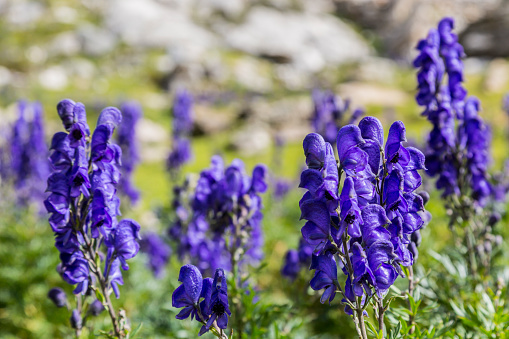
Vatsanabha (Aconitum ferox), commonly known as Himalayan Monk’s Hood or Indian Aconite, is one of Ayurveda’s most potent yet carefully used herbs. Its hood-shaped flowers inspired the name monk’s hood, and it thrives in the alpine regions of the Himalayas. While this herb is considered highly toxic in its raw form, traditional Ayurvedic purification techniques make it safe and therapeutic.
In this article you will learn,
what makes Vatsanabha unique in Ayurveda,
how it is purified for safe medicinal use,
Health benefits of Vatsanabha for respiratory, cardiac, digestive, and reproductive wellness,
safety precautions and frequently asked questions
Contents
What is Vatsanabha (Himalayan Monk’s Hood)?
Vatsanabha is an Ayurvedic rasayana herb with strong antipyretic, analgesic, and anti-inflammatory properties. Despite its toxicity, it is widely mentioned in classical Ayurvedic texts like Charaka Samhita and Sushruta Samhita for balancing Vata and Kapha doshas.
Key Ayurvedic Properties
- Rasa (taste) Tikta (bitter), Katu (pungent)
- Guna (qualities) Laghu (light), Ruksha (dry)
- Virya (potency) Ushna (hot)
- Vipaka (post-digestive effect) Katu
Purification of Vatsanabha Roots
The roots of Vatsanabha are the primary medicinal part. To neutralize its toxicity, Ayurveda prescribes a purification process called Shodhana.
- Fresh roots are immersed in cow’s or goat’s milk,
- Boiled gently for up to three hours,
- The process removes harmful alkaloids while retaining medicinal value.
This detoxified form is then used in minute doses in Ayurvedic formulations for multiple conditions.
5 Proven Health Benefits of Vatsanabha
1. Supports Respiratory Health and Relieves Congestion
Purified Vatsanabha acts as a natural expectorant. It helps clear excess phlegm, easing breathing difficulties in asthma, chronic cough, and bronchitis. Its warming nature also supports lung function during cold weather or respiratory infections.
2. Promotes Heart Health and Calms Palpitations
Traditionally used as a cardiac tonic, Vatsanabha helps regulate irregular or rapid heartbeat. Its mild hypotensive effect supports individuals with agitation-related palpitations and strengthens heart muscles.
3. Benefits of Vatsanabha for Male Sexual Health
Vatsanabha is known as a vajikarana (aphrodisiac) herb in Ayurveda. It may,
- Improve libido and sexual stamina
- Support sperm production and semen quality
- Help manage premature ejaculation and certain urinary disorders
4. Eases Joint Pain and Neural Disorders
Thanks to its anti-inflammatory and analgesic actions, Vatsanabha is beneficial for,
- Arthritis and rheumatic pain
- Neuralgia and nerve-related pain
- Spleen enlargement and associated discomfort
5. Improves Digestion and Appetite
Purified Vatsanabha stimulates gastric secretions, boosting digestive fire (Agni). It is traditionally used to,
- Relieve indigestion and loss of appetite
- Support nutrient absorption
- Rejuvenate the digestive tract
Safety and Precautions
- Raw Vatsanabha is extremely toxic, self-use is dangerous
- Only consume Vatsanabha in classical Ayurvedic formulations prescribed by qualified practitioners
- Pregnant women, lactating mothers, and children should avoid this herb
FAQs about Vatsanabha (Himalayan Monk’s Hood)
Is Vatsanabha safe to consume?
Yes, but only after purification and under Ayurvedic supervision. Raw forms are poisonous.
What is the Ayurvedic name for Himalayan Monk’s Hood?
Vatsanabha, also called Vishavari or Indian Aconite.
Does Vatsanabha cure asthma?
It provides symptomatic relief by clearing phlegm and calming Vata-Kapha imbalance but must be used as part of a broader Ayurvedic treatment plan.
